2026-10-16 ·
Preparing Blue Jay Homes for Peak Wildfire Season in the San Bernardino Mountains
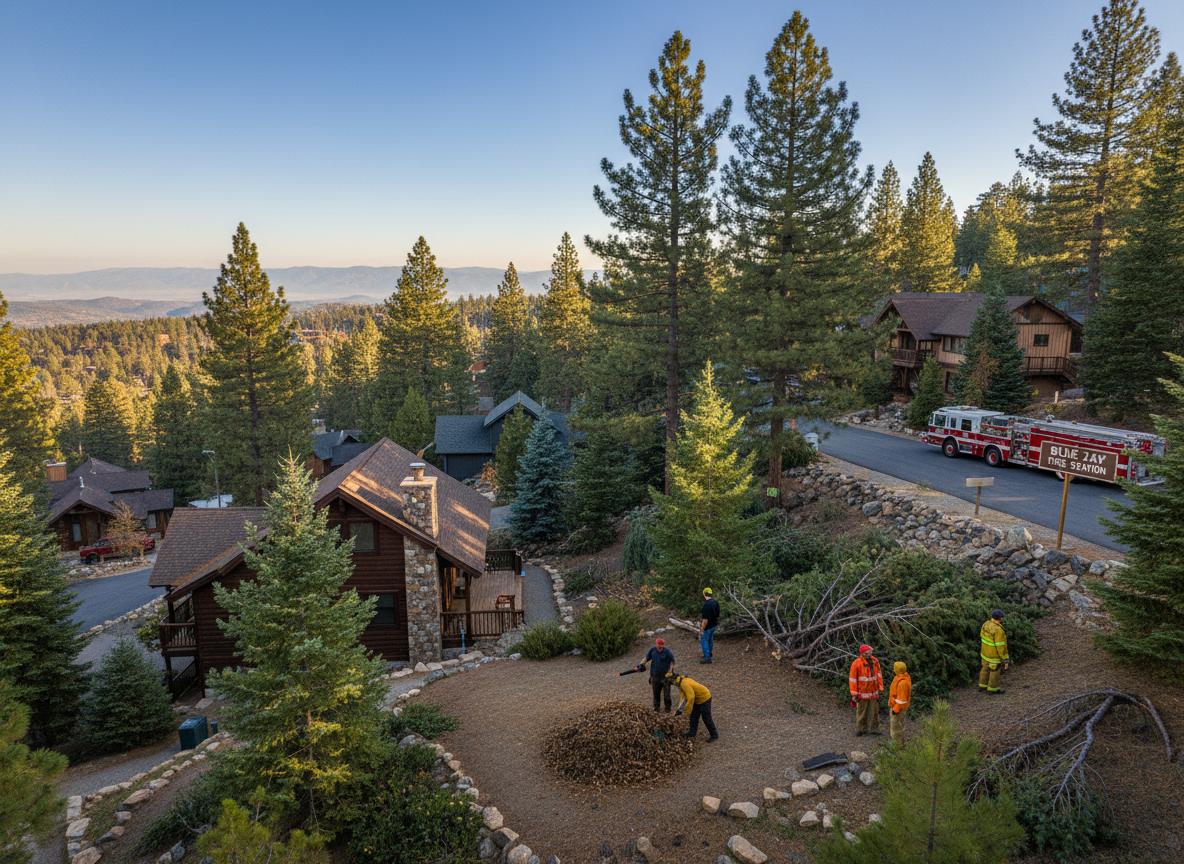
Blue Jay homes in San Bernardino County require focused preparation starting 4–6 weeks before peak wildfire season to address the dry conditions that follow warm summers. The steep, wooded terrain around Lake Arrowhead and nearby Running Springs increases ember exposure on older wooden structures common throughout the area.
Assessing Property Vulnerability in Blue Jay
Begin by walking the full perimeter of your Blue Jay property during late spring when snow has melted and vegetation is visible. Identify dense brush within 30 feet of the structure and note any overhanging branches that could carry fire from the surrounding San Bernardino National Forest slopes. Older cabins built before current codes often have wood shake roofs and single-pane windows that allow embers to enter attics or interiors during wind-driven events common in the mountains. Check for gaps in siding or vents near the ground where embers collect after windy afternoons. Document these findings with photos to prioritize work before summer temperatures rise and fuels dry out. Properties near Lake Arrowhead often sit on sloped lots where runoff patterns during snowy winters can leave debris piles that become fuel by August.
Creating Defensible Space Around Mountain Homes
Clear vegetation in three zones starting with the immediate 0–5 foot area around the house, removing all flammable mulch, pine needles, and stored firewood. Extend clearing to 30 feet by cutting grass to 4 inches or less and pruning tree limbs at least 6 feet above ground level to reduce ladder fuels on the steep lots typical in Blue Jay. In the 30–100 foot zone, thin trees so crowns are 10–20 feet apart and remove dead material that accumulates quickly after winter storms. These steps account for the dry summer winds that push embers uphill toward homes near Running Springs. Homeowners who maintain these zones report fewer spot fires during past seasons because the mountain terrain funnels wind through canyons. Revisit the zones after any summer thunderstorms that can drop lightning-ignited debris.
Hardening Structures Against Embers
Replace or cover attic and crawl-space vents with 1/8-inch metal mesh to block embers that travel far ahead of flames in the San Bernardino Mountains. Install metal flashing at roof-to-wall junctions and seal gaps around chimneys with fire-rated caulk rated for 2,000-degree exposure. Double-pane windows with tempered glass resist breakage better than single-pane units found in many pre-1980s Blue Jay homes. Keep gutters free of needles and leaves throughout summer, as accumulated debris ignites easily from wind-blown embers. These upgrades directly address the warm, dry conditions that persist from June through October when fire risk peaks. Properties with these features require less extensive fire damage clean up when embers do reach the structure.
Seasonal Maintenance Calendar for Blue Jay Residents
Schedule roof and gutter cleaning in May before pollen and needles build up. Inspect and test exterior sprinklers in June to ensure coverage reaches the defensible space edges. Move propane tanks and firewood stacks at least 30 feet from the house by early July. After the first fall rains, reassess vegetation growth that may have returned during cooler nights. These timed tasks align with the shift from snowy winters that saturate fuels to the warm summers that desiccate them rapidly near Lake Arrowhead. Consistent routines prevent the rapid fuel accumulation that occurs on shaded north-facing slopes common in the area. Readers can find additional guidance in Insurance Documentation Tips for Fire Claims in High-Risk San Bernardino County Areas for protecting records during preparation.
Knowing When Professional Restoration Support Is Needed
Even well-prepared homes can experience ember intrusion during extreme wind events. Contact specialists immediately if smoke enters through HVAC systems or if charred material appears in attics after a nearby fire. Teams familiar with Blue Jay terrain understand how remote access roads and seasonal snow can affect response times. Early intervention limits secondary damage from water used in suppression efforts that can freeze in winter conditions. See What Affects the Timeline for Fire Damage Restoration in Remote Blue Jay Properties for details on local logistics. Preparation combined with rapid response keeps recovery focused on the structure rather than widespread replacement.